24-hour service hotline
0086 18733132385
Send us an email
xrguo@xinhaimining.net

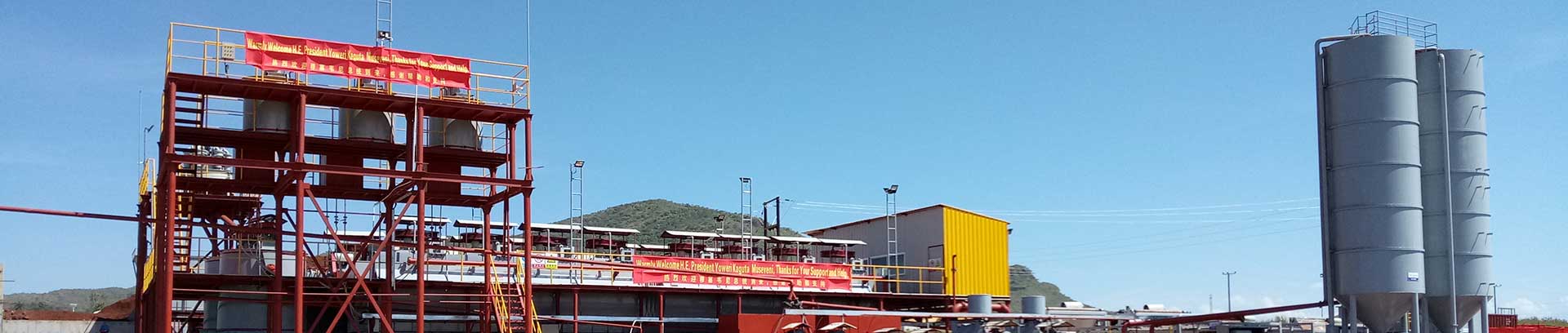
Copper ore beneficiation processes are core procedures that separate and concentrate copper minerals from gangue minerals through scientific techniques based on the mineral characteristics of different copper ores. The design of these processes directly impacts the grade and recovery rate of copper concentrates. Below is a detailed explanation of key beneficiation processes for mainstream copper ore types:
Copper sulfide ores, represented by chalcopyrite, bornite, and chalcocite, exhibit excellent flotation properties. Flotation has thus become the most mature separation technology for these ores, primarily leveraging the surface hydrophobicity differences between copper minerals and gangue minerals to achieve separation.
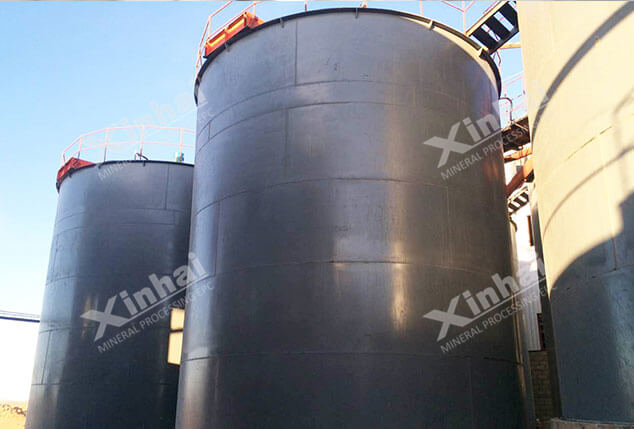
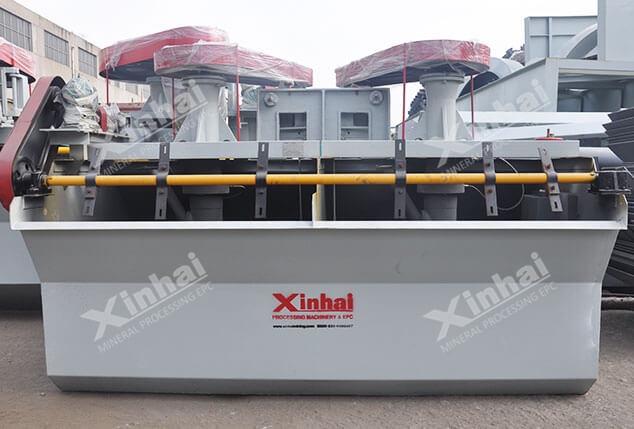
This process primarily encompasses key stages including pulp preparation, reagent adjustment, aerated flotation, and concentrate recovery. Regarding reagent selection and adjustment, precise combinations of various flotation reagents are required: Lime is used as a pH adjuster to control the pulp acidity/alkalinity between 9-11, thereby enhancing the floatability of copper minerals; Collectors like xanthate and black oil create hydrophobic surfaces on copper minerals, facilitating bubble adhesion; Inhibitors such as cyanide and water glass suppress the flotation activity of gangue minerals like pyrite and quartz; Pine oil serves as a frother, forming stable bubble layers to enhance separation efficiency.
In actual production, a three-stage process comprising roughing, scavenging, and cleaning operations can effectively concentrate copper minerals, ultimately yielding copper concentrate with both grade and recovery meeting ideal standards.
Copper oxide ores primarily include chalcopyrite, malachite, azurite, etc. Their mineral surfaces exhibit strong hydrophilicity, making direct flotation challenging and requiring relatively complex separation processes. These are mainly categorized into two types: flotation and leaching methods.
Flotation Process
Flotation of oxidized copper ores requires special treatment to enhance floatability, commonly achieved through three methods: First, sulfidation flotation involves treating mineral surfaces with sulfiding agents like sodium sulfide before conventional sulfide collectors are applied. Second, direct flotation employs specialized collectors such as fatty acids, soaps, amines, or chelating agents that act directly on oxidized copper minerals. Third, emulsion flotation synergizes sulfidation treatment with additives to further optimize flotation efficiency.
Leaching Process
For low-grade or refractory copper oxide ores, the leaching-extraction-electrowinning (L-SX-EW) process is widely adopted. Leaching methods—heap leaching, tank leaching, or agitated leaching—are selected based on ore characteristics. Copper in the leachate is concentrated via solvent extraction technology, followed by electrowinning to produce high-purity cathode copper. This highly adaptable process is particularly suitable for comprehensive recovery and utilization of low-grade ores and tailings resources.
Mixed copper ores contain both sulfide and oxide copper minerals, which exhibit significantly different properties. Efficient recovery is difficult with a single separation method, necessitating the combined application of multiple technologies.
Common approaches include priority flotation and mixed flotation: Priority flotation recovers sulfide minerals or oxidized copper minerals (with oxidized minerals requiring prior sulfidation) based on recovery priority. Mixed flotation employs combined collectors and frothers to simultaneously float sulfide and oxidized copper minerals, yielding a mixed concentrate that can be further separated and purified as needed.
From a process flow perspective, pyroxene flotation typically involves two key stages. Firstly, most gangue minerals are removed through reverse flotation. Subsequently, pyroxene is selectively floated using amine-based cationic collectors within an acidic medium environment.
Tantalum and niobium ore is an important raw material for extracting the rare metals tantalum and niobium. Both tantalum and niobium possess high melting points, strong corrosion resistance, and excellent electronic properties, making them widely used in aerospace, electronics, and special alloys.
© 2021 Yantai KZ Mining Processing Technology & Equipment Inc.