24-hour service hotline
0086 18733132385
Send us an email
xrguo@xinhaimining.net

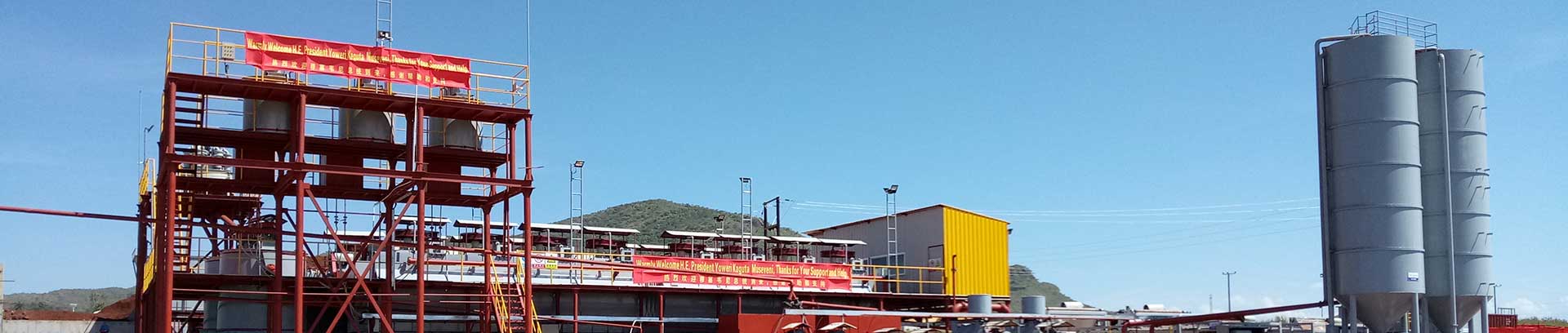
Feldspar is an aluminum silicate mineral containing calcium, sodium, and potassium. There are many types of it, such as orthoclase (potassium feldspar), albite, anorthite, microcline, diorite, etc. The feldspar beneficiation process is mainly magnetic separation and flotation beneficiation.
Magnetic separation: used to separate iron minerals, biotite, tourmaline and other magnetic minerals from feldspar ores.
Flotation separation: It can not only remove iron and titanium minerals from potassium feldspar, but also achieve separation of feldspar and quartz to improve the quality of feldspar concentrate.
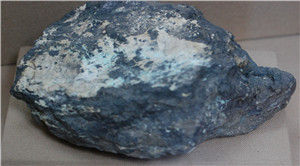
According to the type of mineral deposit, there are mainly four common feldspar mineral processing processes:
1. High-quality feldspar produced from pegmatite: hand selection - crushing - wet grinding - grading.
2. Feldspar in weathered granite: washing - crushing - grinding - classification - flotation (removing iron and mica or separating feldspar and quartz).
3. Feldspar in fine crystalline rock: crushing - grinding - screening - magnetic separation.
4. Feldspar placer: mud washing - screening or flotation to separate quartz.
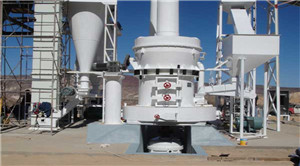
In feldspar ores, iron minerals are impurities that have a greater impact on feldspar concentrates. It will affect the color of feldspar concentrate and reduce the quality of the concentrate. Therefore, iron removal is an important step in feldspar mineral processing.
Feldspar Mining Process
1. Ore washing: mainly to remove clay, fine mud, mica and other impurities in potash feldspar, reduce the content of iron oxide in potassium feldspar, and increase the content of potassium and sodium. Suitable for separating weathered granite or feldspar sand deposits.
2. Crushing and screening: Generally, coarse crushing and fine crushing of feldspar are used, and vibrating screen screening ensures that the particle size of the ore entering the next process is qualified.
3. Grinding and grading: Generally, primary or secondary grinding is used to economically grind the ore into any particle size required for mineral processing. According to process requirements and feldspar properties, grinding can be divided into dry grinding and wet grinding.
4. Sorting stage: Select the appropriate beneficiation process according to the properties of the ore.
For weakly magnetic minerals such as iron oxide, mica, and garnet in potassium feldspar ores, a strong magnetic separation process should be used.
When the iron-containing impurities in potassium feldspar are iron-containing alkali metal silicate minerals such as pyrite, mica, garnet, tourmaline, or potassium feldspar containing non-magnetic impurities, flotation technology is often used for cleaning.
Potassium feldspar containing fine particles or iron-stained impurities that are difficult to separate should be treated by flotation-magnetic separation combined processes, washing-magnetic separation-flotation and other combined processes.
In the production process, the general gold ore flotation process mainly includes crushing and grinding operations, separation operations and dehydration operations. In this article, we will start with different operation stages to understand the equipment required for the gold mine flotation process.
Kaolin is a deposit of natural minerals containing hydrated aluminum silicate. Widely known as white clay or china clay, these minerals have desirable properties that are crucial for industrial and commercial applications. Therefore, kaolin mining and processing steps take into account the nature of the raw deposit and the end use of the product.
© 2021 Yantai KZ Mining Processing Technology & Equipment Inc.