24-hour service hotline
0086 18733132385
Send us an email
xrguo@xinhaimining.net

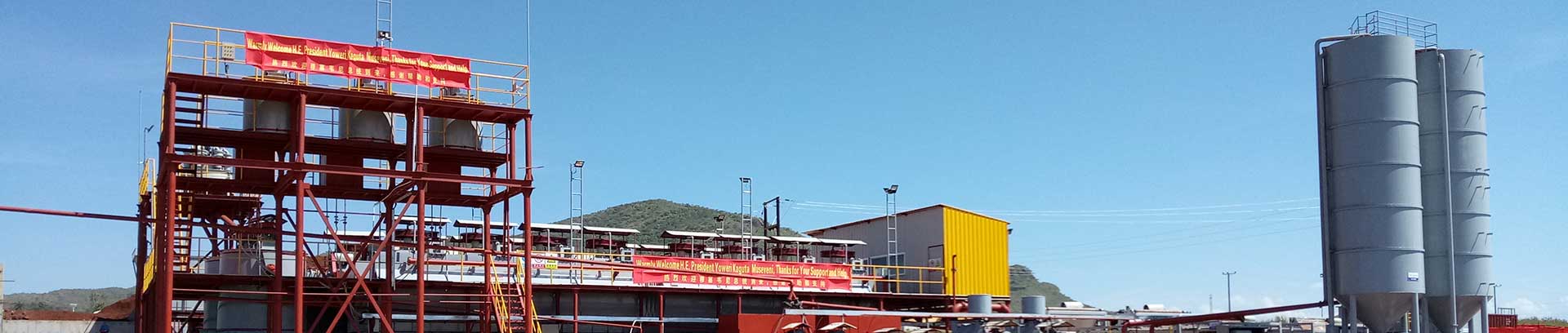
Gold ore deposits can be classified based on multiple factors, including genesis, mineral composition, gold occurrence state, oxidation degree, industrial type, and processing difficulty. Gold ores of different origins exhibit significant variations in properties, necessitating distinct mineral processing approaches. Common gold deposit types include oxidized gold deposits, sulfide gold deposits, alluvial gold deposits, altered rock gold deposits, quartz-type gold deposits, antimony-gold deposits, vein gold deposits, placer gold deposits, and Carlin-type gold deposits. Each type requires specific separation techniques and processing methods.
Gold ore beneficiation primarily involves gravity separation, flotation, and cyanidation. In actual production, a single process or combined flowsheet is selected based on the ore type, particle size, and gold occurrence state to achieve efficient gold recovery.
Gravity Separation: This method exploits density differences between minerals. Under the combined action of fluid media and mechanical forces, minerals form loose layers, enabling separation of gold from other minerals. Primarily used for primary separation of placer gold, alluvial gold, and certain oxidized gold ores, it can also recover coarse free gold particles in vein gold ores before or after flotation or cyanidation.
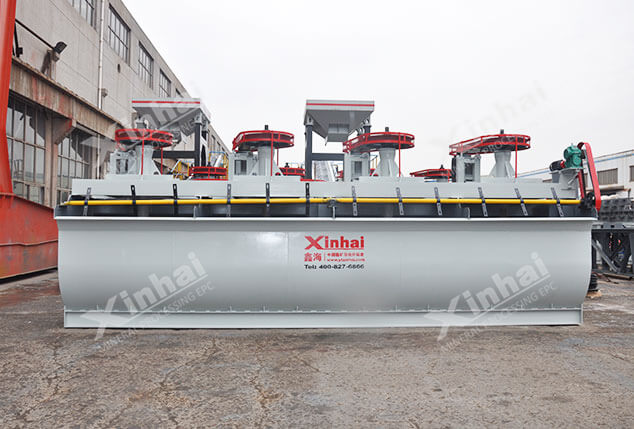
Flotation: Widely applied to process highly floatable sulfide ores containing gold, particularly suitable for gold deposits associated with copper, lead, and other base metals, enabling comprehensive recovery of multiple metals. Typical process flows include flotation - cyanide leaching of concentrate, flotation - thiourea leaching of concentrate, flotation - concentrate roasting - high-acid washing - cyanide leaching, etc.
Cyanidation: One of the primary methods for gold ore beneficiation, categorized into stirred cyanidation and percolation cyanidation.
Stirred cyanidation is suitable for treating flotation gold concentrates or whole-slime pulp. This process involves leaching gold ore with dilute cyanide solutions followed by gold recovery via activated carbon adsorption. Key techniques include cyanidation - Zinc Replacement Process (CCD and CCF methods) and Non-Filtered Cyanide Carbon Pulp Process (CIP and CIL methods). The former employs continuous countercurrent washing to recover gold via zinc powder (or wire) replacement precipitation, while the latter bypasses filtration and washing, using activated carbon to directly adsorb and recover gold from the cyanide pulp.
Leach cyanidation primarily treats low-grade gold-bearing oxide ores. This method involves permeating cyanide solution through ore heaps to dissolve gold, followed by gold recovery through ion exchange resins, activated carbon adsorption, or zinc powder replacement. Common techniques include tank leaching and heap leaching.
For mixed phosphate ores with relatively high silicon and magnesium impurity content, single positive (or negative) flotation struggles to produce high-quality phosphate concentrate.Combined flotation—integrating positive and negative flotation—is required.
Quartz vein gold deposits, as a highly representative type of gold deposit, necessitate flotation as the core process for gold extraction due to their mineral composition and intercalation characteristics
© 2021 Yantai KZ Mining Processing Technology & Equipment Inc.