24-hour service hotline
0086 18733132385
Send us an email
xrguo@xinhaimining.net

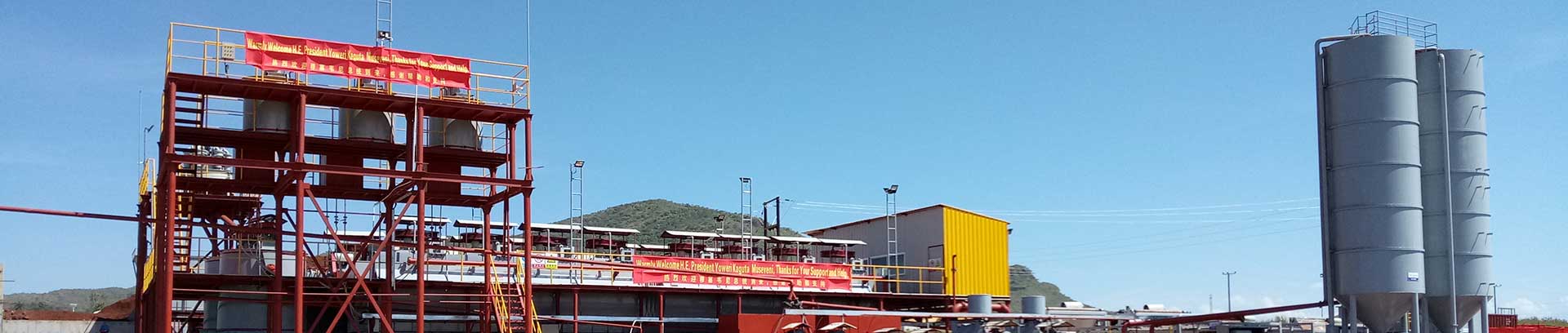
Copper processing is a complex process that begins with the mining of ore and ends with 99.99% pure copper flakes called cathodes, which end up in products that are used every day.
The most common types of ores, copper oxide and copper sulfide, undergo two distinct processes, hydrometallurgy and pyrometallurgy, respectively, due to the chemical composition of the ores.
Copper oxides are more abundant near the surface, but are considered low-grade ores with lower concentrations of copper. While this requires more ore to be extracted and processed, the process is less expensive, so oxides can still be mined for profit.
On the other hand, although copper sulfide ores are less abundant, they have a higher copper content. Although processing costs are higher, more copper can be extracted in the end. Because the mineral composition, concentration and quantity of each mining area is unique, the most economical and profitable processing of ore must be determined by the mine planner. Where economically feasible, one mine can extract two types of copper minerals;
The first steps in copper processing for both ores are the same: mining and transportation. Copper mining is usually carried out by open-pit mining, with a series of stepped benches being dug deeper and deeper over time. To remove the ore, drilling machines are used to drill holes in the hard rock, and explosives are inserted into the drill holes to blast and break the rock. The resulting boulders are then ready for transport; dedicated transport trucks, conveyors, trains and shuttles are all available to haul the ore from the blasting site to the processing site. The scale of equipment required to transport tons of ore is enormous. Most of the ore is then sent through a primary crusher, which is usually located very close to or sometimes in the pit. This primary crusher reduces the size of ore from boulders to golf ball-sized rocks.
Oxidized ores are usually processed using hydrometallurgy. The process uses an aqueous (water-based) solution to extract and purify copper from copper oxide ores at ambient temperature and is typically divided into three steps: heap leaching, solvent extraction, and electrolytic deposition.
Sulfide ores are typically processed using pyrometallurgy, the extraction and purification of metals through processes that involve heating. The process uses a series of physical steps and high temperatures to extract and purify copper from copper sulfide ore, divided into four basic steps: 1) froth flotation, 2) thickening, 3) smelting and 4) electrolysis.
In addition to processing copper ore, new and used scrap copper or copper alloys can be melted, re-purified and recycled into new components. It is estimated that this recycling provides 50% of the copper used in the copper industry.
The temperature of the ball mill itself is greatly affected by the surrounding environment. In summer, the ambient temperature is high, and the temperature of the ball mill bearing bush is also high, which can usually be improved by replacing the ball mill lubricating oil, adjusting the cooling water device, improving the environment and increasing the cooling area of the oil pump.
Iron tailings are waste products from iron ore mining. Iron tailings are rich in iron, but also contain other substances that can be harmful to the environment, such as silica. For the separation of iron concentrates, weak magnetic separation, strong magnetic separation and reverse flotation can be adopted.
© 2021 Yantai KZ Mining Processing Technology & Equipment Inc.