24-hour service hotline
0086 18733132385
Send us an email
xrguo@xinhaimining.net

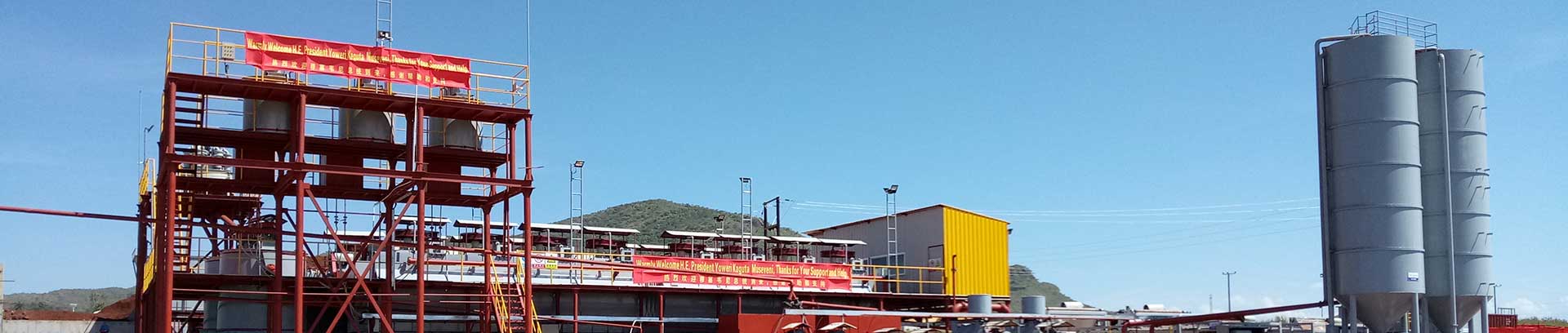
Copper polymetallic sulphide ores are a relatively common type of ore in copper resource development. These ores typically contain associated sulphur, zinc and valuable components such as gold and silver; their complex mineral distribution poses significant challenges for mineral processing and separation. For the flotation treatment of such ores, it is essential to fully understand the mineralogical characteristics of the ore and to select appropriate flotation processes and reagent regimes, thereby enhancing copper recovery whilst achieving comprehensive recovery of precious metals.
The most prominent characteristic of this type of ore is the wide variety of minerals present; the differences in floatability between different sulphide minerals are minimal, making separation difficult. In the pulp system, the dissolution of secondary copper minerals releases copper ions, which in turn activate pyrite and sphalerite, causing impurity minerals to float and interfering with the grade of the copper concentrate. In the ore samples, magnetite and pyrite exhibit a strong tendency towards oxidation, and the ore shows significant muddiness; this slurry adsorbs reagents, deteriorating the flotation environment and further increasing the difficulty of separation. Most copper-sulphide polymetallic ores contain associated precious metals such as gold and silver; therefore, mineral processing must not only ensure copper recovery but also take into account the comprehensive recovery and utilisation of gold and silver to enhance the mine’s overall economic efficiency. The effectiveness of ore flotation is primarily influenced by three key factors: the distribution of copper-sulphide and iron minerals, the content of secondary copper sulphides, and the proportion of magnetite.
For primary copper sulphide ores with a low degree of oxidation, priority flotation, mixed-separation flotation and semi-priority flotation are the mainstream process routes. The priority flotation process sequentially floats copper minerals, followed by sulphur and zinc; it is suitable for ores with sufficient mineral liberation and distinct flotability differences, and can yield high-quality copper concentrate, though it requires precise reagent control. Mixed-separation flotation first floats copper, sulphur and other sulphide minerals together to produce a mixed concentrate, followed by the separation of copper from sulphur. This method is suitable for materials with fine, tightly intergrown mineralisation and severely silty ores, and can handle large throughput volumes; however, it places significant demands on subsequent separation processes. Semi-priority flotation combines the advantages of both processes by prioritising the recovery of easily floatable copper minerals, followed by mixed flotation of the difficult-to-float fraction. This approach balances recovery rates with concentrate quality and is widely applied in complex copper polymetallic mines.
As the degree of ore oxidation increases, flotation difficulty rises significantly. The crystal lattice on the surface of oxidised ores undergoes changes, resulting in reduced adsorption efficiency of conventional xanthate-type collectors and increased loss of copper metal. In production, it is usually necessary to adjust the grinding fineness to ensure adequate mineral liberation and control oxidation during grinding; to adjust the pH to suppress pyrite and magnetite, thereby reducing activation interference caused by copper ions; and to optimise the combination of collectors and inhibitors to mitigate the adverse effects of slime.
The beneficiation of copper polymetallic sulphide ores must not focus solely on copper recovery indicators. As gold and silver are predominantly hosted within sulphide minerals, effective recovery of these sulphide minerals during the flotation process is key to the enrichment of precious metals. During the process design stage, it is essential to utilise ore analysis reports to select a suitable flotation circuit and to determine the reagent regime through pilot testing, thereby balancing concentrate grade, metal recovery rates and the recovery of associated resources to achieve efficient utilisation of mineral resources.
Gold and arsenic often occur in close association; arsenic minerals can encapsulate fine gold particles, which not only lowers the effective grade of the ore but also significantly interferes with the leaching process, resulting in a continuous decline in gold recovery rates.
Professional quartz stone processing follows a complete and standardized production process, including raw ore screening, crushing and washing, grinding and grading, purification treatment, and shaping and finishing, to ensure stable quality and high purity of the finished product.
© 2021 Yantai KZ Mining Processing Technology & Equipment Inc.