24-hour service hotline
0086 18733132385
Send us an email
xrguo@xinhaimining.net

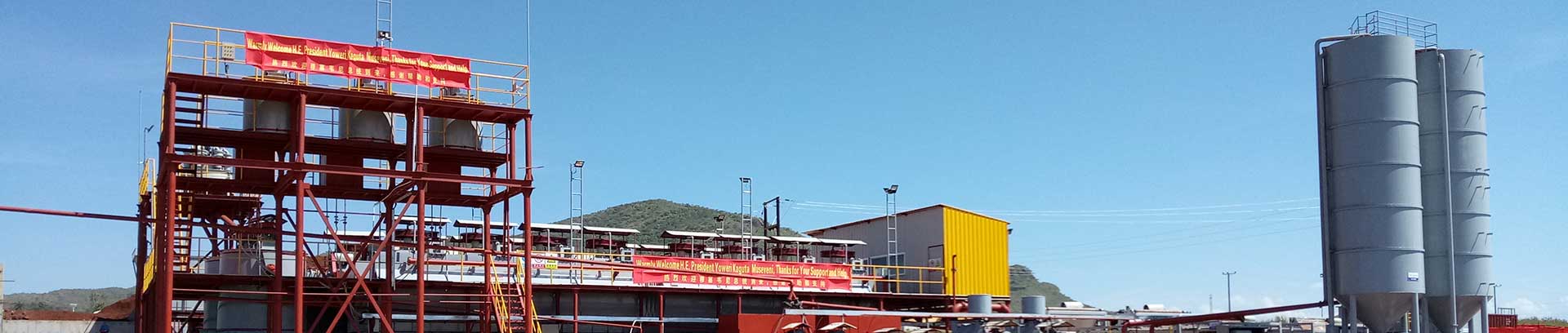
As easily processable gold ore resources gradually become depleted, arsenic-bearing gold ores that are difficult to process have become a key resource in gold mining. Gold and arsenic often occur in close association, with arsenic minerals encapsulating fine gold particles; this not only lowers the effective grade of the ore but also significantly interferes with the leaching process, resulting in a continuous decline in gold recovery rates.
Flotation is the fundamental preliminary process for separating gold and arsenic-bearing minerals, with the core of the entire process lying in the formulation of the reagent system. By using selective inhibitors to suppress the flotation of arsenic sulphides, combined with specialised collectors to enrich gold-bearing minerals, effective separation of gold and arsenic-bearing minerals is achieved. Following separation, the gold-bearing product is directed to the subsequent leaching stage, whilst the arsenic-bearing minerals are discharged as tailings. This minimises the interference of arsenic in the gold extraction process at source and is suitable for ore with moderate arsenic content and good mineral liberation.
This process is predominantly used for gold ores with high arsenic content and severe sulphide encapsulation. Roasting is carried out in an atmospheric or oxygen-enriched high-temperature environment to thoroughly decompose arsenic-bearing sulphides such as arsenopyrite and pyrite, breaking down the mineral structure and releasing the internally encapsulated gold particles. Following pre-treatment to remove arsenic and sulphur, cyanide leaching is carried out, resulting in a significant improvement in gold leaching efficiency. This process is mature and stable, making it suitable for large-scale mining operations.
Bacterial oxidation is a mild and environmentally friendly method for arsenic removal, relying on specialised acidophilic microorganisms to decompose arsenic-bearing sulphide minerals. During the microbial metabolic process, sulphur and arsenic components are stripped from the ore, fully exposing the encapsulated gold and reducing the consumption of cyanide reagents in subsequent stages. The entire process operates at ambient temperature and pressure, with low energy consumption and minimal pollutant emissions, making it particularly suitable for small and medium-sized mines and mining areas subject to strict environmental regulations. The only drawback is that the oxidation reaction cycle is relatively longer.
As traditional cyanide reagents pose environmental risks, non-cyanide leaching represents a new, clean solution for gold extraction. By utilising non-toxic leaching agents such as thiosulphates and thiocyanates, gold is leached directly following arsenic removal pre-treatment. The entire process generates no highly toxic cyanide-containing wastewater or tailings, thereby complying with green mining standards and making it suitable for projects subject to stringent environmental requirements or located near residential areas or water protection zones.
In the first half of this year, the tungsten market continued to boom, with the average price of tungsten concentrate rising sharply year-on-year and the market price of black tungsten concentrate reaching a record high
Copper polymetallic sulphide ores are a relatively common type of ore in copper resource development. These ores typically contain associated sulphur, zinc and valuable components such as gold and silver; their complex mineral distribution poses significant challenges for mineral processing and separation. For the flotation treatment of such ores, it is essential to fully understand the mineralogical characteristics of the ore and to select appropriate flotation processes and reagent regimes, thereby enhancing copper recovery whilst achieving comprehensive recovery of precious metals.
© 2021 Yantai KZ Mining Processing Technology & Equipment Inc.