24-hour service hotline
0086 18733132385
Send us an email
xrguo@xinhaimining.net

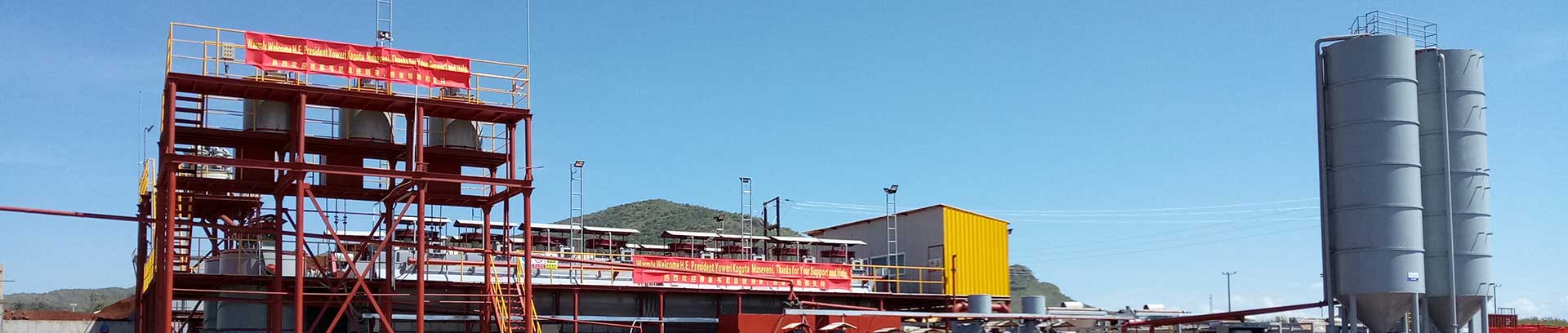
As high-grade black tungsten resources gradually become depleted, white tungsten ore has become the core source of supply for the tungsten industry. However, white tungsten ore is generally characterised by fine grain size, brittleness and a tendency to become muddied, as well as a complex association of accompanying minerals. It is often closely associated with calcium-bearing gangue minerals such as calcite, fluorite and quartz, resulting in difficult beneficiation and unstable performance indicators. To improve concentrate grade and recovery rates, the key lies in tailoring a specific processing flow sheet to the properties of the ore in question; generic processes should not be applied indiscriminately.
Firstly, the grinding scheme must be determined based on the grain size distribution of the ore. Coarse-grained white tungsten ore is highly adaptable and can be processed using conventional crushing and grinding methods; for fine-grained and disseminated white tungsten ore, the grinding fineness must be strictly controlled to ensure individual liberation whilst avoiding over-grinding, which produces large amounts of slime and adversely affects the selectivity of subsequent flotation. In production, a closed-circuit grinding process combined with pre-desliming is generally adopted to minimise slime interference at source.

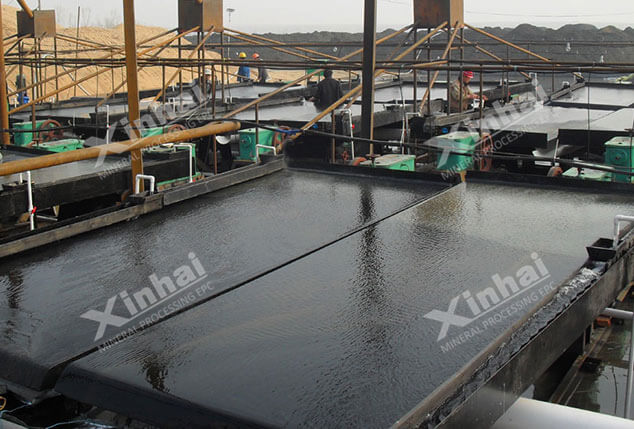
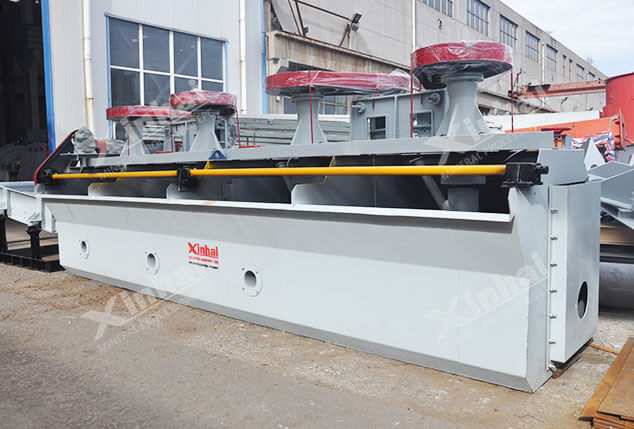
Secondly, the main process should be selected based on the type of ore association. For white tungsten ore with a high proportion of coarse grains, gravity separation for pre-concentration is the preferred method; by using jigging, spiral chutes and shaking tables to discard tailings at an early stage, the load on subsequent flotation is reduced, thereby saving reagent costs. For fine-grained, complex white tungsten ore, flotation is the primary method; effective separation of white tungsten from gangue is achieved by adjusting the pH value and the system comprising water glass suppressants and fatty acid collectors. For difficult-to-process, high-calcium white tungsten concentrate, heated flotation (the Petrov method) must be employed for deep purification to ensure a stable output of high-grade tungsten concentrate.
For white tungsten ore with high sulphide and magnetic impurity content, pre-treatment processes such as magnetic separation and desulphurisation must be incorporated. Mixed black and white tungsten ores must undergo a combined ‘gravity separation + flotation + magnetic separation’ process to recover different types of tungsten minerals in separate stages. Overall, there is no standardised template for the processing of white tungsten ore; it is essential to analyse the ore’s characteristics through mineral processing tests and tailor the grinding fineness, reagent regime and process flow to achieve improvements in both recovery rates and economic returns.
Ferrous metals primarily comprise mineral resources such as iron, manganese and chromium, and serve as the fundamental raw materials for the steel industry. The mineralogical characteristics of ferrous metal ores vary significantly; the beneficiation requirements for magnetite, hematite, manganese carbonate and chromite differ considerably. A complete beneficiation production line consists of four major equipment modules: crushing, grinding, beneficiation and dewatering.
Open-cast phosphate mining is the most widely used method, with the process comprising stages such as topsoil removal, zoned mining of the ore body, blasting and crushing, and loading and transport.
© 2021 Yantai KZ Mining Processing Technology & Equipment Inc.