24-hour service hotline
0086 18733132385
Send us an email
xrguo@xinhaimining.net

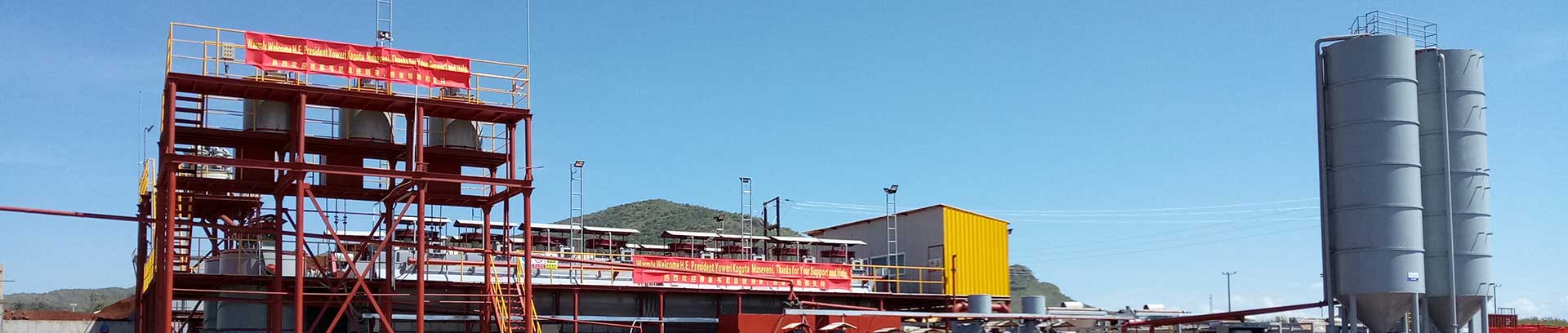
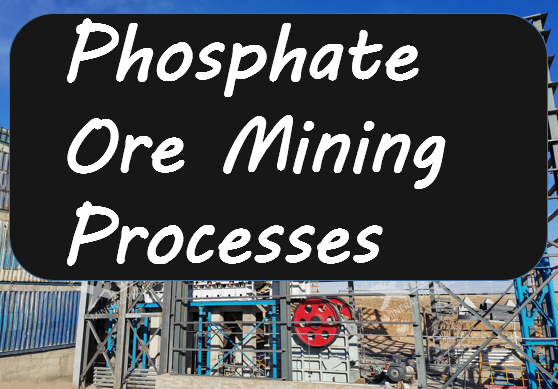
Phosphate ore is a core and fundamental mineral resource for phosphate fertilisers, fine chemicals and new energy materials. China’s phosphate ore resources are predominantly of the gelatinous type, characterised by relatively low grade, dense distribution and high impurity content; consequently, mining and processing technologies directly determine the resource utilisation rate. Modern phosphate mining adheres to an overarching approach of ‘rational overburden removal, staged mining, efficient beneficiation and environmentally sound tailings disposal’. It is divided into two main categories: open-cast mining and underground mining, supported by a comprehensive mineral processing system.
Open-cast phosphate mining is the most widely used method, with the process comprising stages such as topsoil removal, zoned mining of the ore body, blasting and crushing, and loading and transport. During mining, stratified and bench-step mining is implemented based on the thickness of the ore body and the distribution of interlayers, effectively controlling the rate of ore dilution. For raw ore containing large amounts of clay and surrounding rock, pre-screening and washing are carried out after extraction to remove soil and waste rock, thereby improving the grade of the ore entering the beneficiation process.
Underground phosphate mining is suitable for ore bodies buried at great depths and covered by thick overburden. Safe mining techniques such as the stoping method and backfilling are employed, with strict control over roof safety, ventilation and drainage to ensure continuous and stable underground mining operations. The raw ore extracted is crushed underground and then transported to the surface concentrator for centralised processing.
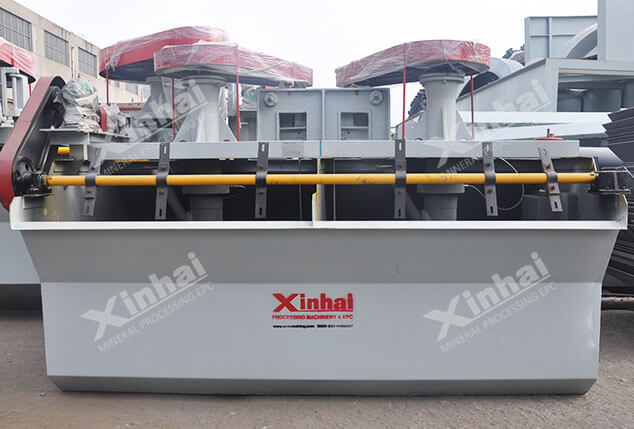
Low-grade phosphate ore extracted from the mine must undergo beneficiation to improve its quality. The mainstream process utilises reverse flotation to suppress silicate and carbonate gangue and enrich phosphate minerals, thereby effectively increasing the P₂O₅ grade. For certain complex and difficult-to-process phosphate ores, processes such as combined gravity and flotation, scrubbing and desliming, and classification and sorting are employed. Modern phosphate mining is complemented by dry tailings disposal and water recycling systems, enabling green, energy-efficient and high-efficiency production, whilst significantly improving the comprehensive utilisation rate of phosphate resources.
Coarse-grained white tungsten ore is highly adaptable and can be processed using conventional crushing and grinding methods; for fine-grained and disseminated white tungsten ore, the grinding fineness must be strictly controlled to ensure individual liberation whilst avoiding over-grinding, which produces large amounts of slime.
The processing of zircon sand primarily relies on physical separation, utilising differences in mineral density, magnetic properties and electrical properties to achieve step-by-step purification. The process flow is well-established and highly environmentally friendly, making it a typical example of sand ore beneficiation.
© 2021 Yantai KZ Mining Processing Technology & Equipment Inc.