24-hour service hotline
0086 18733132385
Send us an email
xrguo@xinhaimining.net

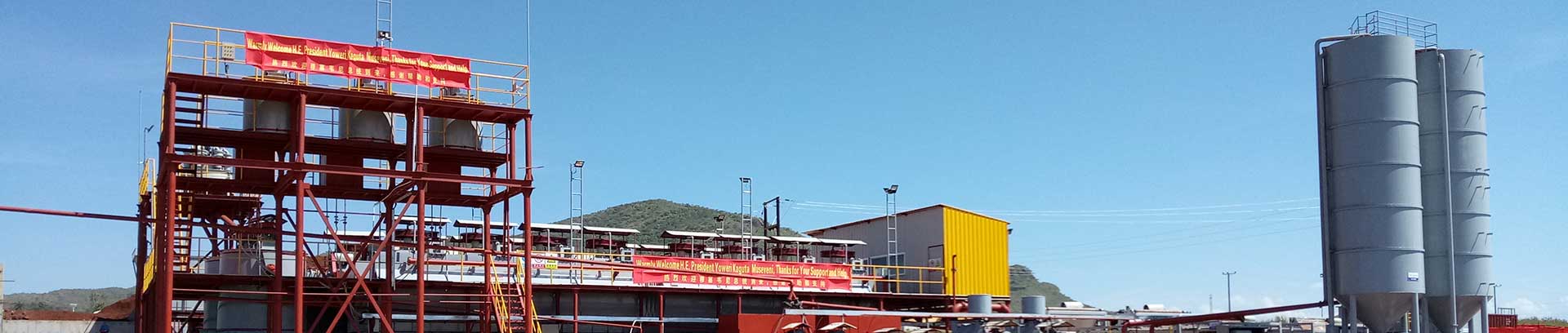
Within the flotation mineral processing sector, traditional operational models are grappling with numerous growing pains. Historically, flotation equipment relied heavily on manual monitoring and adjustment, with operators needing to judge critical parameters such as pulp concentration and pH levels based on experience. This approach not only resulted in delayed responses but also made mineral processing outcomes susceptible to fluctuations due to human error. Simultaneously, manual operation struggles to maintain 24-hour stable production, driving up labour costs, constraining efficiency, and potentially creating safety hazards through operational errors. These pain points have created an urgent industry need for more efficient solutions, giving rise to the automated control system for flotation mineral processing equipment.
The system's remarkable capabilities stem from its intricate design and intelligent operational logic. Equipped with high-precision sensors acting as its ‘eyes’, it continuously gathers real-time data on pulp flow rate, liquid level, and chemical dosage. This information is analysed and transmitted to the core controller, which functions as the ‘brain’. Based on pre-programmed algorithms, the controller precisely regulates equipment parameters such as valve openings and agitation speeds, achieving full automation from data monitoring to equipment adjustment. For instance, when sensors detect abnormal pulp concentration, the system swiftly adjusts feed rates to maintain stable flotation conditions, sustaining high-efficiency operation without manual intervention.
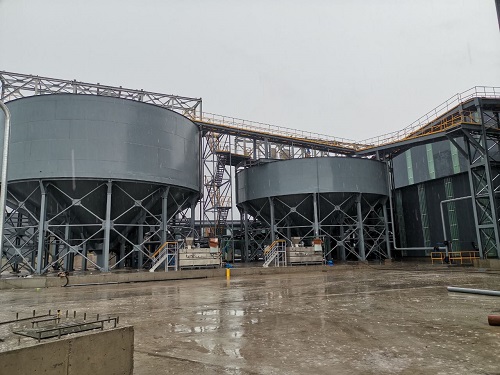
This automated control system has delivered remarkable transformations to flotation mineral processing. In terms of efficiency, it enables continuous, stable operation, boosting production output by over 15% compared to traditional methods. In mineral processing precision, parameter control errors are substantially reduced, significantly enhancing concentrate grade stability and increasing resource recovery rates by 3%-5%. Regarding costs, reduced labour requirements lower personnel expenses by 20%, while precise chemical dosing and energy optimisation further decrease operational expenditures. Additionally, the system safeguards production safety through real-time equipment monitoring and proactive fault risk alerts. Precise chemical and energy control also supports environmentally sustainable production.
Looking ahead, as intelligent technologies advance, automated flotation mineral processing control systems will evolve towards greater intelligence and integration, continuously injecting fresh momentum into the high-quality development of the mining industry.
Kaolin is an aluminum-bearing silicate mineral with fine grains, appearing as a white, soft, muddy substance, and mostly without luster. I When pure, it is white and fine-grained; when containing impurities, it can have gray, yellow, or brown hues.
Flotation serves as a pivotal technology for processing diverse gold-bearing ores, finding extensive application in the separation of low-sulphide gold deposits, high-sulphide gold deposits, and polymetallic ores containing gold and silver. This method not only effectively concentrates gold and silver but also enables the comprehensive recovery of multiple valuable metals, significantly enhancing resource utilisation efficiency.
© 2021 Yantai KZ Mining Processing Technology & Equipment Inc.