24-hour service hotline
0086 18733132385
Send us an email
xrguo@xinhaimining.net

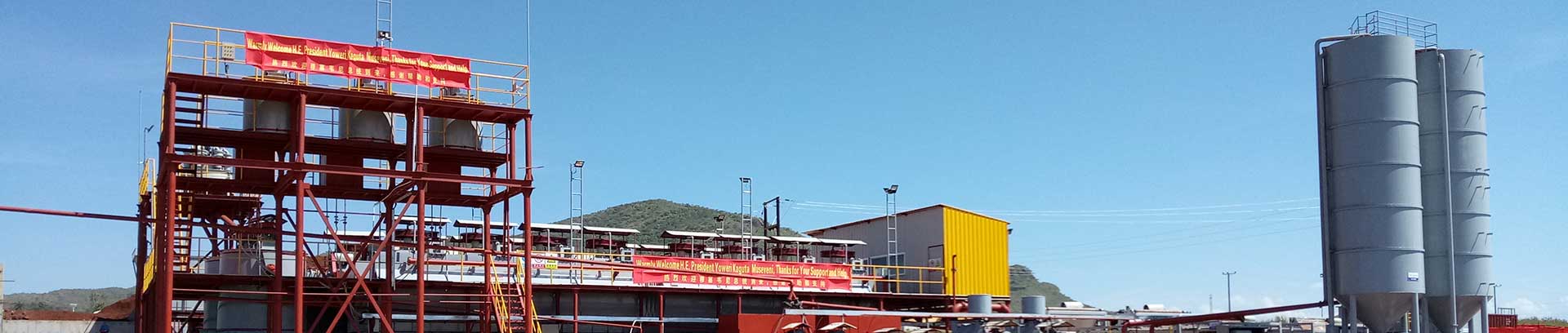
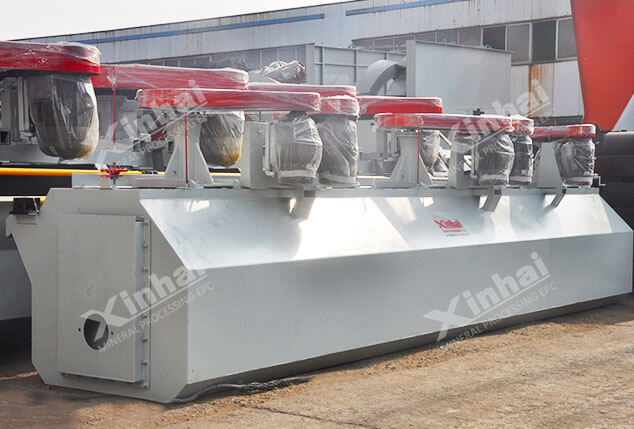
Flotation is the core process for separating silver-lead sulfide ores. It enriches associated silver in lead concentrate, simultaneously recovering the main metal and precious metals. Gravity separation is often used for pre-enrichment of coarse-grained minerals, while magnetic separation removes magnetic impurities from zinc concentrate, improving concentrate quality. Based on differences in ore distribution, grade, and floatability, the industry has developed various differentiated flotation processes to suit different mine raw material characteristics.
Preferred flotation relies on the difference in mineral floatability for stepwise separation. It utilizes silver's affinity for lead to recover it simultaneously with galena. Lead is floated first, zinc is suppressed, and then zinc is activated for recovery, producing independent lead and zinc concentrates. This method is suitable for ores with simple compositions, coarse grains, and high grades, but reagent consumption is relatively high.
Mixed flotation first simultaneously recovers lead, zinc, and silver to obtain a mixed concentrate, then performs separation operations. This method can remove a large amount of gangue in advance, reducing grinding load and energy consumption. It is often used for fine-grained, low-grade, and tightly coexisting complex ores.
Equal-flotation recovers minerals in batches based on their natural floatability, without forced mineral suppression or activation. It uses low reagents and has a high metal recovery rate, but the process is lengthy and requires numerous supporting equipment. Asynchronous flotation creates separate flotation environments for lead and zinc at different stages, reducing mineral cross-encapsulation losses and significantly improving the overall recovery rate of lead, zinc, and associated gold and silver.
Branch flotation processes the slurry in separate, connected series, incorporating the rougher concentrate from the preceding stage into the subsequent stage of raw ore. This improves the feed grade, reduces reagent consumption, and is suitable for mine raw materials with increasing lead oxide content and continuously declining raw ore grades.
For complex, refractory ores, combined gravity-flotation and magnetic-flotation processes are often used, relying on multiple physical and chemical separation methods to compensate for the shortcomings of single flotation.
Potential-controlled flotation alters the floatability of mineral surfaces by adjusting the electrochemical potential of the slurry. It requires less reagent and is environmentally friendly, but precise potential control is difficult, limiting its industrial application. Primary potential-controlled flotation utilizes the slurry's own redox system to optimize separation, making it suitable for complex polymetallic sulfide ores containing gold and silver, and effectively improving the comprehensive recovery efficiency of various valuable metals.
As a high-quality gold resource that is relatively easy to develop and offers outstanding economic viability, gravity separation is the most fundamental, environmentally friendly and cost-effective mainstream beneficiation process for placer gold.
Flotation is currently the most widely used separation method for scheelite, undergoing multiple generations of technological iteration and forming three major development stages.
© 2021 Yantai KZ Mining Processing Technology & Equipment Inc.